
At Vera Iconica, we design across a wide range of styles, but always with a focus on quality and customization. Because of this we tend to work on mostly high-end homes and luxury interior design projects. For us, luxury isn’t about opulence, extravagance, or flashing brand logos. We have found that for our clients, the true luxuries of life are more personal and nuanced. The luxuries we appreciate, whether in luxury, balanced interior design, or otherwise, are things like time, comfort, peace, beauty, freedom, health, longevity, gratitude, and so on. Luxury has become about the quality of the experience, which doesn’t have to be lavish.
It’s worth noting, as we delve into this guide, that one of the first and most important luxuries when it comes to an interior design or architectural design project, is the luxury of making the choice to make the project about you.
In a society where we move every few years, we are often more concerned with the next people that will live in our house, and we make choices based on resale value, playing it safe, so that much of our design turns out generic and impersonal. Designing a project for you to enjoy means making a commitment and taking risks. It doesn’t need to cost more, although it can. It doesn’t need to be overly bold or crazy, although it can be. The point is, it can be what you want it to be, for you, your family, your life.
If this is you, then you’re ready to start down the path of figuring out what your luxury is, and then designing it. Here are 25 luxury interior design ideas that we consider on our projects, and that can help you start thinking about your own.
A Note on Style:
Luxury design isn’t a style. Most styles can be done with varying degrees of skill, quality and, as a result, can be more or less luxurious. A classical style might be more formal than a modernist design style, but both can be luxurious. Whether you’re drawn to modern luxury interior design or a more traditional aesthetic, the principles of quality and personalization apply equally.
25 Luxury Interior Design Ideas to Elevate Your Home
1. Define Your Personal Luxury Design Aesthetic
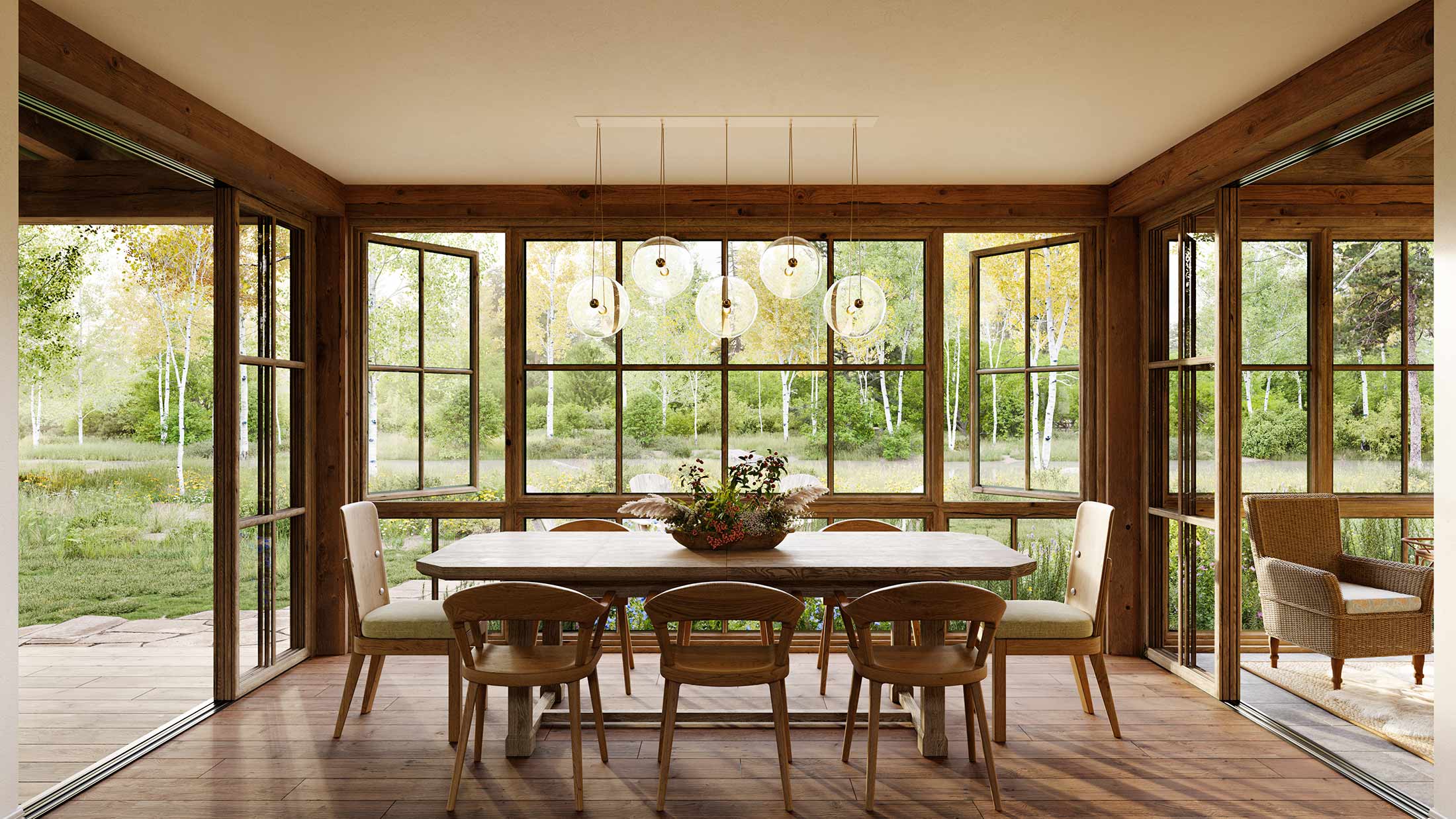
Now more than ever, the luxuries of life are about you. What do you want your life to be? What is most important to you? How do you want to live and spend your time?
Is it having the time and place to get away to do your work, to follow your dreams? Is it having big parties with great food and music? Is it knowing that where you live is your sanctuary, that supports where you live and heal from the stresses of your everyday life? Is it some or all of the above? Or something else entirely?
That part is up to you. Map it out and get started!
If you’re not sure, think about the next tip.
2. Design for Daily Rituals and Wellbeing
At Vera Iconica, a big part of what we consider to be ‘luxury design’ is about taking the little routines that tie your life together and helping turn them into special, luxurious moments. Our process starts by walking with you through your daily experience, and finding the little things that make your world go ‘round. These become the foundation for your design, setting up your spaces to make your life flow.
Think of rituals like morning coffee by a sunny window or reading before bed; the simple things like getting dressed, working out, getting kids out the door; the deeper things like meditating, cooking, laughing with your family—design that enhances these routines deepens the sense of home. These simple luxuries can be profound experiences when you elevate them through design.
How? This is the art and science of the design journey.
3. Design for Luxurious Moments
Veronica Schreibeis-Smith, Vera Iconica founder, has written at length about what she terms ‘Numinous and Noetic Moments.’ We’ve already discussed designing around the simple luxuries that can elevate your everyday routine. These moments are about designing for the unexpected, creating spaces and moments as you flow through a design that spark inspiration, gratitude, a space for pause and reflection.
Is it a glimpse where you discover a hidden courtyard? Is it the way the light shines across your room at a certain time? Is it a view you get over the hills? Is it having your favorite piece of art lit up and featured in the exact right place for you to enjoy?
In residential architecture and high-end interior design, creating these moments is about getting to know you, getting to know your space, your surroundings, and centering the design around bringing these to life.
4. Design for All the Senses
Designing a place that looks good in pictures is one thing. Designing a place that feels good is a more complex process.
Of course, the design has to look good. Aesthetics and beauty are a big part of our emotional, intellectual and sensory experience. But this doesn’t take care of the whole picture. To create a place that feels good means considering all your senses.
There are challenges:
- How do you get daylight deep into a space without it being at times too bright or too hot?
- How do you have big rooms, high ceilings and hardwood or stone floors and keep the space feeling warm and intimate?
- And in this scenario, how do you eliminate echoes that make it hard to have a conversation?
- How do you minimize the sound of footsteps on floors above you, the hum of appliances and mechanical systems?
- And so on
Acoustics are a huge consideration in a luxury environment, as is lighting—both natural and artificial. What you hear and what you don’t hear are crucial to your sensory experience. Having to shout to be heard in an echoey room, or trying to focus or relax when appliances and transformers are buzzing does not feel like luxurious interior design.
You’re visualizing how a space feels by asking questions like:
- What does the floor feel like under my feet?
- Is it smooth or textured? Warm or cool?
- What about other surfaces and things I touch? Do I want to feel the grain of the wood? Do I want furniture with soft velvets, casual linen or rich leathers?
These sensations are visual but also part of your whole-body experience as you live in a space, and are aspects that your designer can guide you through, turning your design into something truly personal and luxurious.
5. Choose Wellness-Approved Materials
A decade ago, it was difficult to find non-toxic paints and adhesives, formaldehyde-free wood products, organic mattresses, and so on. Fortunately, the industry has come a long way. While these options aren’t always the norm, they are at least attainable in most categories.
The Vera Iconica standard for architecture and luxury interior design projects is to vet all materials for health impacts, performance and aesthetics. We work with your contractor to find the best solutions for your needs. Does this cost more? It certainly can, but it depends what you are comparing it to. There are high-end brands and manufacturers for whom this isn’t their concern, and you can end up spending just as much of your budget on something that isn’t good for you.
But when it comes down to it, is there a more important luxury to budget for than your longevity and the health and wellbeing of your family?
6. Use Lighting for Mood, Atmosphere and Purpose
Good lighting will take your design and bring it to life, while badly done lighting can quickly undo all your good work. A miss on your lighting design can turn your space into something pedestrian, or even uncomfortable. To design a luxurious feeling space, you need to get the lighting right.
Daylight, as we mentioned, is one of the top considerations in any project. Natural light fuels us, gives us the full spectrum of color, and guides the daily rhythm we evolved for. In an architecture project, we have a great deal of control over how we use natural light. We can orient the building and the layout of rooms to get the appropriate light into your rooms at the appropriate times. Windows of all sizes, skylights and clerestories can be deployed to bring in as much or as little light as you need.
In your high-end interior design project, you are working with what you have. You might be able to add or enlarge windows, but for the most part, you are designing to make the most of the limitations you’ve been given and are designing your space and furniture layout around this.
With artificial lighting, the location, direction, style and quality of light are all critical to your experience. Where you locate your light fixtures and how you orient their direction is your first consideration. Ceiling-mounted lights are common, and can be practical, but aren’t always the best way to create an atmosphere. Pendant lights, chandeliers, sconces, up-lighting and cove lighting each play a role in building your overall scheme. Diffuse light, spotlighting and reflected light will all be designed together to give you options to change the mood and atmosphere.
Worth mentioning also is the quality of light itself. High-quality LEDs now have upwards of 90 CRI (color rendering index—natural light being 100 CRI). Make sure you select LEDs with high CRI. A lower quality bulb will have your space feeling dull, missing out on the vibrance of color.
7. Prioritize Clean Air & Clean Water
This one is on the technical side of design, rather than the purely aesthetic, but is no less important. Depending where you are located, the air outside where you live, and the water coming in through the pipes might be less than ideal.
We discussed choosing materials and furnishings that will keep your air healthy, so you avoid bringing in anything that can create any airborne pollutants. This is a good start. A good air filtration system is the next step.
Clean water is another luxury. Reverse osmosis systems or advanced carbon filtration systems can take care of most of the chlorines, chloramines and any unwanted metals that might be coming through the pipes. We also recommend filtering the water you use to bathe and shower. Whole-house filtration systems can be great, and point-source filtration at the showerhead is also effective.
It is worth testing your existing air and water conditions. Ask your designer for help if you need it.
8. Use Color to Make You Feel Good
Back to our discussion about how one true luxury is to design your home for yourself, not for the generic idea of the next people that will live there. The easiest way to do this is with color. A coat of paint is a low commitment and is easy to change if you need to.
It doesn’t need to be crazy, but you’re free to break away from the neutrals, grays and puttys and give it some color if and where it makes you feel good. Bring in some deep, rich, luxurious color to your interiors!
9. Choose Heirloom-Quality Furniture
There is a massive range of quality when you are choosing your furniture. Mass-produced items fill a need, but aren’t necessarily beautiful, they don’t always feel that great, and they aren’t special.
Having pieces that you love is a key part of your luxury interior design experience. Whether you are discovering a local woodworker that can make you a unique table, chairs, dressers, cabinets, or you are seeking out a beautiful sofa made from the finest Italian leather or linen, it’s worth going for quality and great design. These pieces will last longer, look better and be more comfortable than the cheaper, mass-produced options.
Heirloom-quality furniture can be exactly that—an investment that can last and be enjoyed into the next generation and beyond.
10. Embrace Quiet Luxury
The term ‘Quiet Luxury’ is tossed around quite a bit these days. The overall gist is that you’re choosing comfort and quality over flashy logos. For us it’s more about enjoying what you have, wherever you’re at. It’s about making the choices that make you feel good, pursuing wellness, comfort and longevity. It’s more inward than outward. It can be formal or casual, from a style standpoint, but centered on timelessness, simplicity and craft.
Quiet luxury isn’t a barebones philosophy. You still want beautiful details and pleasing proportions. It’s a move past ‘big-for-the-sake-of-big,’ toward a design that makes you feel good, in whatever shape that takes.
11. Curate Fine Art or Sculptural Installations
Art adds character, depth and richness to the experience of your home. It can be a great investment, and/or it can be about finding pieces you love and that you want to look at every day.
Certainly, unique, high-quality artworks by real artists will do more for you than mass-produced art. Instead of relying on generic décor, invest in pieces that hold personal meaning or cultural significance. Large-scale paintings or sculptures can serve as focal points, while smaller works can be grouped and arranged to tell a story throughout your home.
What is in our wheelhouse is designing your spaces to make the most of your art. This involves space planning, organization and lighting to really turn your art collection into the feature it deserves to be.
12. Frame Natural Views and Layer Textures with Window Treatments
Motorized shades are a great, practical way to reduce glare, but they don’t give you that soft, sensual luxury that drapery can.
Well-designed and installed drapery can work with any style, bringing warmth and texture to a modern, minimalist space. Or it can add a layer of sensuous elegance to a traditional or classical style interior. You can go bold, adding pattern and color, or stay in the same range as your walls. The subtle folds of drapery surrounding your windows help frame your views and add an element of calm and quiet.
13. Use Natural Stone and Warm Woods for Flooring and Surfaces
If you’re getting the sense that we prefer pure, natural materials for most things, you’re right! From the fact that they look nice, age gracefully, wear predictably, feel good, and connect with how our innate senses appreciate our surroundings (biophilia), they cover pretty much all of the bases.
From a health and wellness standpoint, they have clear advantages over synthetics, vinyls and laminates—no plastics, or potential off-gassing or forever chemicals. A good quality wood or stone floor can be a luxurious sensory experience.
14. Design a Spa-Like Primary Bathroom
What’s better than a trip to the spa? How about a trip to the spa every day, right in your own home?
Transforming your main bathroom into a luxurious spa experience brings luxury home design ideas to life in the most personal way. You can boost your health, your recovery and enjoy your relaxation time.
Giving a bathroom a spa-like feel means addressing the design, the style, the materials and also the equipment. Adding saunas, steam showers and therapeutic equipment is something you want to personalize according to your needs. Saunas can be elegant and stylish, steam showers can be built from handmade tiles, and some bath manufacturers make luxurious, stylish and comfortable tubs that can also include built-in cold plunge therapy, light therapy and/or oxygen therapy capabilities.
15. Create a Sleep-Optimized Luxury Bedroom
Designing a luxurious bedroom sanctuary is a topic we could write a book about. For this article, we’ll try to summarize the key points.
From a health and wellness standpoint, your bedroom is your most important space. The importance of sleep for recovery and maintaining health is well documented. The biggest factors that help you get the rest you need are comfort, lighting, sound/quiet, and air quality.
First, comfort. This starts with your bed. Look for organic mattresses, pure latex at the core (from the rubber tree), and traditional mattresses made from wool, coconut fiber, and horse-hair. These will support your body, feel and breathe better than anything synthetic. Avoid petroleum foams and memory foam. Your bedding is also important—look for organic cotton, pure linen, silk, wool, down, hemp, and so on.
Lighting is a big one. We recommend everyone work with rather than against their natural circadian rhythms. Acoustics are an underrated part of luxury interior design, nowhere more important than in your sleep space. Clean, fresh air is one of the true luxuries—an advanced filtration system can help take out airborne chemicals, allergens and dust.
16. Transform Your Kitchen with Vera Iconica Wellness Kitchen Principles
The Wellness Kitchen is another topic we could write a book about, but again, we’ll touch on the basics to get you thinking.
Designing your kitchen is about much more than just choosing cabinets, colors, appliances and countertops. These are all important, and should be fun, but to truly connect with your lifestyle and your wellness goals, we need to dig a bit deeper.
The big question becomes: How do you design a kitchen that helps you eat better, make healthier choices and build better habits? How do you make the fresh, healthy foods more visible and accessible? How do you design a kitchen that inspires you to cook at home instead of eating out?
Collaborating through Vera Iconica’s interior design service helps answer some of these big questions and guides you toward your dream kitchen.
17. Build a Wellness Space, Sauna, Cold Plunge, or Yoga Nook
If you have the space and the budget, adding a wellness-specific space can add a luxury experience that you can enjoy as part of your daily routine to unwind, relax and rejuvenate.
This is a dedicated space; a private getaway. Whether it’s as simple as a small secluded room for stretching, yoga or meditation, or a more ambitious spa with sauna, cold plunge, red-light therapy, or whatever gets you feeling good, this is a private space for you.
From a design standpoint, there is much to consider when creating your wellness refuge—how it is lit, whether it has views, how you block off noise and distractions, and how you decorate it to set just the right mood.
18. Design a High-Performance Home Office
The modern connected world has opened up opportunities for us to work from home, skipping the hassles of commuting. If you have the opportunity to move beyond working at your dining room table, building your own home office is one of the most rewarding luxury home design ideas you can invest in.
From feng-shui organization, to the right workspace for your tasks, to ergonomics, elegant task lighting, storage for your books and files, furniture, color, décor and acoustics, your office can be treated as its own unique space within your overall scheme. It is designed around focus, performance and efficiency. Do it right, and maybe plugging in to your work will feel a bit more luxurious.
19. Introduce Luxury Through Architectural Detail

Details are where the rubber meets the road in architecture and premium interior design trends. Why do the small details make a space feel more luxurious? Whether you are going for a modern, minimalist style, or an ornate baroque-revival style, or anything in between, it’s the details that make or break your design.
Luxury interior design is about the quality of materials and the craftsmanship of construction, to be sure, but this commitment to a high level of architectural detail starts in the design phase. As you level up into high-end interior design, your designer will be creating custom profiles for your trim elements, tailoring them to the exact style and proportions of your design.
Every detail is considered: how the metal of your hardware ages, how paint is brushed on trim to bring out the grain, how switches are placed, how heating and cooling is concealed and sound is dampened. From the details you see and notice to the details you don’t see and aren’t supposed to notice, this level of thought, planning and coordination is what truly sets your design apart.
20. Edit Ruthlessly to Give Your Space Room to Breathe
In any project, you have more ideas than you can use. This is the nature of the design process. Often it’s the tough decisions that make your project: which ideas to use, and which to let go of, or save for another time?
This isn’t easy, no matter whether you are going for pure minimalism, or a bold, maximalist concept where layers of pattern, color and texture work together and play off each other. You want every move to make sense, and to elevate all the other decisions. Careful editing, curating and prioritizing is one of the most valuable skills any designer can have.
21. Create One Bold Moment in Every Room
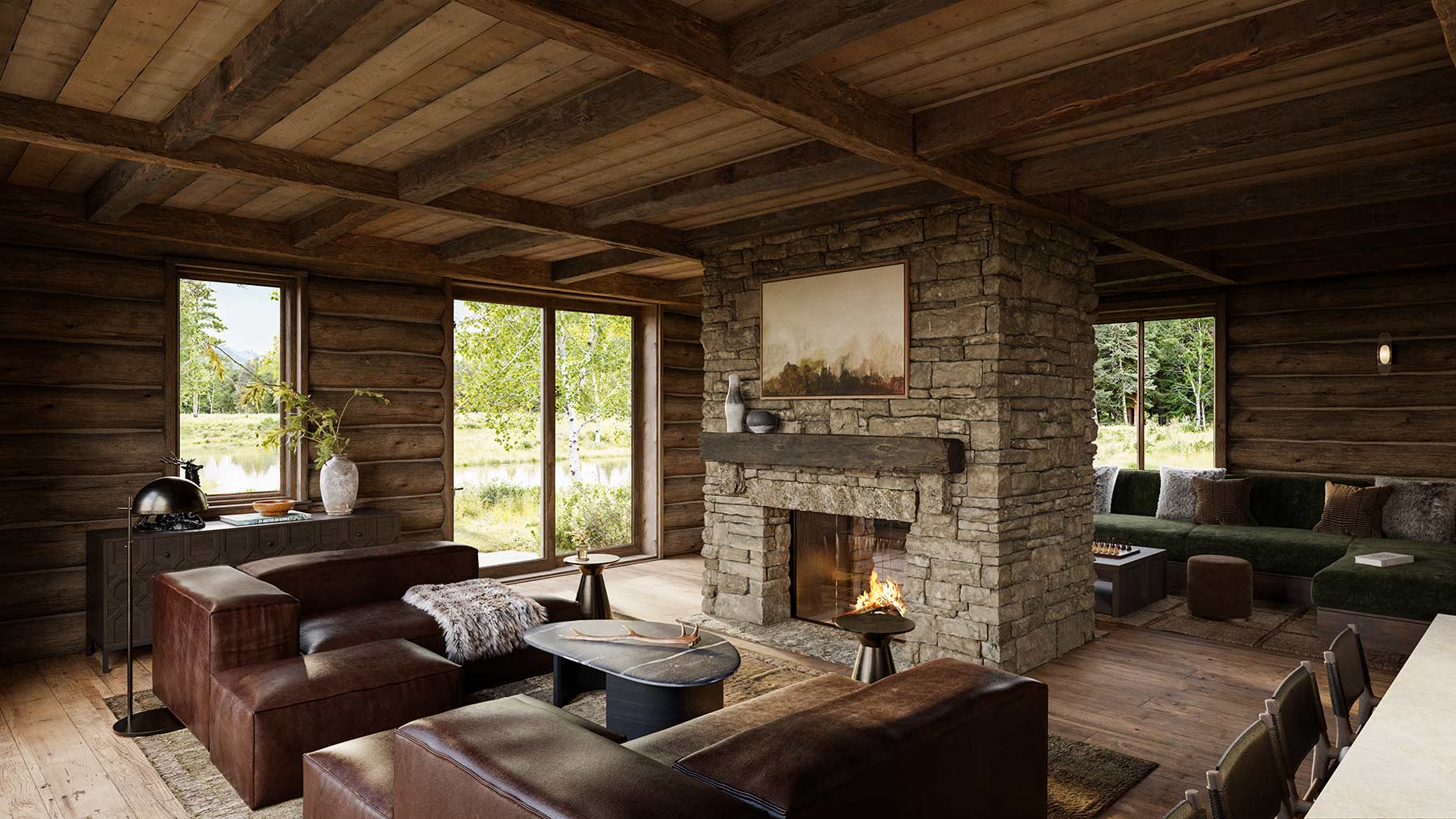
Using one central, bold moment as an organizing principle is often an effective design strategy. Considering the impression and experience of a space around one central focal point can help bring everything together. It doesn’t need to be crazy to be bold. Often it’s as simple as designing the room around one heirloom rug, one piece of furniture, one painting—or perhaps focusing on a view, or a heavy antique stone fireplace.
Choosing one focal point also prevents multiple concepts or elements from competing with each other. A clear focus, combined with strong, bold ideas creates an attitude and atmosphere of clarity and confidence—both key in luxury interior design.
22. Layer in Texture and Pattern Intentionally
One hallmark of truly luxurious interior design is the thoughtful layering of texture and pattern. Mixing materials—matte plaster walls alongside a polished stone countertop, a nubby linen sofa next to a smooth leather ottoman—creates visual and tactile richness that feels considered rather than accidental.
Pattern, used with restraint, can ground a room and add personality. Whether it’s a bold geometric tile in an entryway or a subtly woven textile on a throw pillow, each choice should feel intentional and in dialogue with the rest of the space.
23. Invest in Custom Millwork and Built-Ins
Nothing signals a commitment to interior design luxury quite like custom millwork. Built-in shelving, cabinetry, window seats and entertainment walls are not just functional—they are architectural expressions that elevate the entire room.
Custom millwork allows you to optimize every inch of your space while reinforcing the design language throughout your home. When executed well, it makes a space feel like it was always meant to be exactly that way—cohesive, purposeful, and distinctly yours.
24. Bring the Outdoors In with Biophilic Design
Biophilic design—connecting interior spaces to the natural world—is one of the defining elements of modern luxury interior design. It goes beyond houseplants. It’s about living walls, natural material palettes, maximized views, water features, and spaces that blur the boundary between inside and out.
Research consistently shows that proximity to nature reduces stress and improves wellbeing. When your luxurious interior design integrates these elements thoughtfully, the result is a home that feels alive—a sanctuary that restores as much as it impresses.
25. Work with a Designer Who Truly Listens
Perhaps the most important luxury interior design idea of all is this: partner with a designer who takes the time to understand you. The best high-end home interior design isn’t about copying a style from a magazine; it’s the result of a deep, collaborative process centered on who you are and how you want to live.
At Vera Iconica, our process is built around exactly this. Every project is treated as a unique creative and personal journey, and it is always an honor to be a part of it.
Conclusion: Elevating Your Home with Luxury Interior Design

In modern society, our aspirations are increasingly geared toward quality—quality of life, enjoyment of our time, finding time and space for the things we want to do, with the people we want to be with. They are about optimizing and maintaining our health, giving us more and better time. We want to get away from the stresses and enjoy our refuge.
As a result, architecture and emphasis on interior design are taking on the intellectual and personal challenge of making your space work for you to achieve these ideals. Beauty, simplicity, quality and timelessness are the true luxuries in architecture and modern luxury interior design. Helping you find these ideals is what we specialize in.
Our Process at Vera Iconica: What Makes It Different
We have written articles that go into more detail about our design process. It is a broad topic, but most importantly, it’s centered around you.
Every project starts with an extensive exercise in getting to know you, to understand the core of what you’re looking to create. This goes well beyond figuring out what you want your project to look like. The process goes into depth to develop the design around your life and your routines. The goals are to make your spaces work for you, to turn everyday tasks into special moments, and to give you the support and inspiration you need to find your best self. It is a creative, personal and intellectual process, and it’s always an honor to go through it with you.
FAQs About Luxury Interior Design
What Qualifies Interior Design as “Luxury”?
There is no one thing that qualifies a design as being ‘luxury.’ There are many factors that elevate a design, starting with the simple intention of creating a higher-quality product—building something that is customized to your own lifestyle, desires, and personal tastes. From there, luxury interior design can be about using more intricate design details, selecting nicer finishes, furniture and appliances, better lighting and quieter, higher-performing mechanical systems, and more.
Can I Achieve a Luxury Look on a Smaller Budget?
Yes and no. Luxury isn’t necessarily about the look, especially with the move toward ‘quiet luxury’ from the flashier, more overtly opulent styles. Budget is a concern on almost every project, so it’s always about making the best choices you can to create the best experience you can with the budget you have. A well planned, simple, tasteful design can feel genuinely luxurious, even on a limited budget. That being said, if your luxury goals include things like high-end Italian furniture or professional quality appliances, there are fixed costs that there’s no getting around.
What Are the Current Trends in Luxury Design?
Some things never go out of style. Thoughtful, timeless design is one of them. The biggest trend right now in luxury design isn’t as much about aesthetics, but is focused on how you feel. A design centered around health, wellness, and longevity is a type of luxury that has a lasting value.
Is Minimalism Still Considered Luxurious?
Minimalism and pure modernism can certainly be luxurious, although the intent of the original style was about simplicity rather than opulence. In a minimalist design, the luxury comes in the details, the design and the materials used.
Where Should I Start When Upgrading My Home?
It depends on your priorities and your goals: Do you need a nicer kitchen because you love to cook and entertain? Do you need more storage and organization to keep things under control? Do you work at home and need a better workspace? Are you just looking to make the place your own, give it a facelift and make it feel better? Are you looking to add value? Determining what you want is always a good starting point.